Bioidentical Hormone Replacement Therapy (BHRT) represents a significant advancement in the field of hormone therapy, focusing on restoring hormonal balance through a root-cause approach. This method emphasizes understanding the underlying factors contributing to hormone imbalances rather than merely addressing symptoms. As individuals increasingly seek personalized solutions for their health concerns, BHRT offers a tailored strategy that aligns with the body's natural hormonal functions. In this article, we will explore the definition of BHRT, its benefits, the common symptoms of hormone imbalance, and how personalized hormone testing and treatment are implemented. Additionally, we will delve into patient experiences and recent clinical studies that highlight the effectiveness of this innovative therapy.
What Is Bioidentical Hormone Replacement Therapy?
Bioidentical Hormone Replacement Therapy (BHRT) is a treatment that utilizes hormones that are chemically identical to those produced by the human body. This therapy aims to restore hormonal balance by replacing hormones that may be deficient due to aging, stress, or other factors. Unlike traditional hormone therapies that often use synthetic hormones, BHRT employs bioidentical hormones derived from natural sources, making them more compatible with the body’s physiology. The significance of BHRT lies in its ability to address the root causes of hormonal imbalances, leading to more effective and personalized treatment outcomes.
How Do Bioidentical Hormones Mimic Natural Hormones?
Bioidentical hormones mimic natural hormones due to their identical molecular structure, allowing them to bind effectively to hormone receptors in the body. For instance, bioidentical estrogen, progesterone, and testosterone are designed to replicate the functions of their natural counterparts. This similarity ensures that the body can utilize these hormones in the same way it would use hormones produced endogenously. The benefits of using bioidentical hormones include reduced side effects and improved efficacy, as they work harmoniously with the body’s existing hormonal systems.
What Are the Common Symptoms of Hormone Imbalance?
Hormone imbalances can manifest through a variety of symptoms that significantly impact an individual's quality of life. Common symptoms include fatigue, mood swings, weight gain, hot flashes, and decreased libido. Recognizing these symptoms is crucial for individuals seeking to understand their hormonal health. Addressing hormone imbalances not only alleviates these symptoms but also enhances overall well-being and vitality.
How Is Hormone Imbalance Diagnosed?
Diagnosing hormone imbalance typically involves a comprehensive evaluation that includes a review of symptoms, medical history, and laboratory testing. Healthcare providers may utilize blood, saliva, or urine tests to measure hormone levels accurately. These diagnostic methods help identify specific hormonal deficiencies or excesses, guiding the development of an effective treatment plan tailored to the individual's needs.
Which Hormones Are Typically Involved in BHRT?
Several key hormones are commonly addressed in BHRT, including estrogen, progesterone, and testosterone. Estrogen plays a vital role in regulating the menstrual cycle and maintaining bone density, while progesterone is essential for reproductive health and mood stabilization. Testosterone, often associated with male health, is also crucial for women, influencing energy levels, libido, and muscle mass. Understanding the roles of these hormones is essential for recognizing how BHRT can restore balance and improve health outcomes.
How Does Root-Cause Hormone Therapy Differ from Symptom Management?
Root-cause hormone therapy focuses on identifying and addressing the underlying causes of hormone imbalances rather than merely managing symptoms. This approach contrasts with traditional symptom management, which often involves prescribing medications to alleviate specific symptoms without addressing the root issues. By targeting the underlying factors contributing to hormonal imbalances, root-cause therapy promotes long-term health and wellness.
What Are the Principles of Root-Cause Hormone Therapy?
The principles of root-cause hormone therapy include a holistic approach that considers the individual's overall health, lifestyle, and environmental factors. This patient-centered care model emphasizes collaboration between healthcare providers and patients to develop personalized treatment plans. By focusing on long-term health benefits, root-cause therapy aims to restore hormonal balance and improve quality of life sustainably.
What Are the Benefits and Risks of BHRT?
BHRT offers numerous benefits, including improved energy levels, enhanced mood, better sleep quality, and increased libido. Patients often report significant improvements in their overall well-being and quality of life after undergoing BHRT. However, it is essential to consider potential risks, such as the possibility of side effects or complications associated with hormone therapy. Informed decision-making is crucial for individuals considering BHRT, as understanding both the benefits and risks can lead to better health outcomes.
What Are the Potential Side Effects of Hormone Replacement Therapy?
Potential side effects of BHRT can vary depending on the individual and the specific hormones used. Common side effects may include bloating, headaches, mood changes, and breast tenderness. While most individuals tolerate BHRT well, it is essential to monitor for any adverse reactions and adjust treatment protocols as necessary. Regular follow-up appointments with healthcare providers can help manage any side effects effectively.
How Does Personalized Hormone Optimization Improve Safety and Effectiveness?
Personalized hormone optimization enhances the safety and effectiveness of BHRT by tailoring treatment protocols to the individual’s unique hormonal profile. This approach considers factors such as age, medical history, and lifestyle, ensuring that hormone replacement is both safe and effective. Clinical studies have shown that personalized BHRT can lead to improved patient satisfaction and better health outcomes, as treatments are designed to meet the specific needs of each patient.
How Is Personalized Hormone Testing and Treatment Implemented?
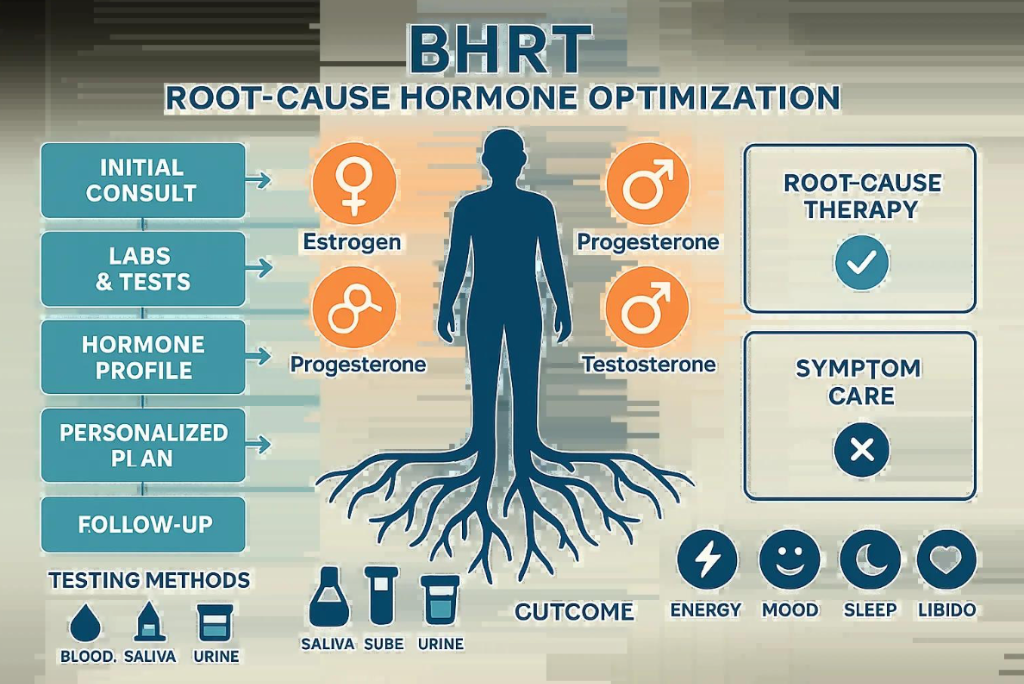
Implementing personalized hormone testing and treatment involves a systematic approach that begins with thorough diagnostic testing. This process allows healthcare providers to assess hormone levels accurately and identify any imbalances. Following diagnosis, treatment protocols are tailored to address the specific needs of the patient, ensuring optimal results.
What Testing Methods Are Used in BHRT?
Various testing methods are employed in BHRT to measure hormone levels accurately. Common methods include blood tests, saliva tests, and urine tests. Each method has its advantages and limitations, and the choice of testing method may depend on the specific hormones being evaluated and the patient's individual circumstances. Accurate testing is crucial for developing effective treatment plans.
How Are Treatment Protocols Tailored to Individual Needs?
Treatment protocols in BHRT are tailored to individual needs by considering factors such as hormone levels, symptoms, and patient preferences. Healthcare providers work closely with patients to develop personalized plans that may include specific dosages, delivery methods, and follow-up schedules. This individualized approach ensures that patients receive the most effective treatment for their unique hormonal profiles. This comprehensive approach often involves a detailed initial consultation and a customized plan, as exemplified by programs designed for personalized hormone optimization.
Personalized BHRT & Hormone Optimization Programs
All Patients start with a Naturopathic Initial visit. One of our highly skilled Naturopathic Doctors will meet with you for your initial consultation to review your goals, lifestyle, hormones, nutrition and medical needs providing you with a head-to-toe medical evaluation and lab work as indicated. They will then recommend a customized plan that is designed to promote hormone optimization. You can choose to be supported in your hormone health with natural remedies or therapies that your Naturopathic Doctor can recommend OR you can be referred to one of our Bio-identical (BHRT) prescribing practitioners for BHRT care – either the Women’s Revive H or the Men’s Revive T BHRT program. The prescriptions by our Nurse Practitioners or Medical Doctors include Bio-identical Hormone Replacement Therapy (BHRT), Natural Desiccated Thyroid (NDT) and Testosterone Therapy (TRT).
What Do Patient Experiences and Case Studies Reveal About BHRT?
Patient experiences and case studies provide valuable insights into the effectiveness of BHRT. Many individuals report significant improvements in their quality of life, including enhanced energy levels, better mood stability, and improved sexual function. These real-life testimonials highlight the transformative potential of BHRT for those struggling with hormone imbalances.
How Have Patients Benefited from Root-Cause Hormone Therapy?
Patients have reported numerous benefits from root-cause hormone therapy, including increased vitality, improved mental clarity, and enhanced emotional well-being. Testimonials often emphasize the positive changes experienced after undergoing BHRT, showcasing its potential to restore balance and improve overall health. These benefits underscore the importance of addressing hormone imbalances through a comprehensive and personalized approach.
What Recent Clinical Studies Support BHRT Effectiveness?
Recent clinical studies have provided evidence supporting the effectiveness of BHRT in managing hormone imbalances. Research indicates that patients undergoing BHRT experience improvements in symptoms associated with hormonal deficiencies. These findings reinforce the value of personalized hormone therapy as a viable treatment option for individuals seeking to restore hormonal balance and enhance their quality of life.
Frequently Asked Questions
What are the long-term effects of BHRT?
The long-term effects of Bioidentical Hormone Replacement Therapy (BHRT) can vary based on individual health profiles and the specific hormones used. Many patients report sustained improvements in energy, mood, and overall well-being. However, ongoing monitoring is essential to assess any potential risks, such as cardiovascular issues or hormone-related cancers. Regular follow-ups with healthcare providers help ensure that the treatment remains safe and effective over time, allowing for adjustments as needed to optimize health outcomes.
How is the dosage of bioidentical hormones determined?
The dosage of bioidentical hormones in BHRT is determined through a personalized approach that considers individual hormone levels, symptoms, and overall health. After initial testing, healthcare providers analyze the results to identify specific deficiencies or excesses. This information guides the development of a tailored treatment plan, which may include adjustments over time based on patient feedback and ongoing testing. Regular consultations ensure that the dosage remains appropriate for achieving optimal hormonal balance and symptom relief.
Are there specific dietary recommendations for patients undergoing BHRT?
Yes, patients undergoing BHRT are often encouraged to follow a balanced diet that supports hormonal health. This includes consuming whole foods rich in nutrients, such as fruits, vegetables, lean proteins, and healthy fats. Foods high in omega-3 fatty acids, fiber, and antioxidants can be particularly beneficial. Additionally, staying hydrated and limiting processed foods, sugars, and unhealthy fats can enhance the effectiveness of BHRT. Collaborating with a healthcare provider or nutritionist can help create a personalized dietary plan that complements hormone therapy.
What role does stress management play in hormone balance?
Stress management plays a crucial role in maintaining hormone balance, as chronic stress can lead to hormonal imbalances, particularly in cortisol and other stress-related hormones. Techniques such as mindfulness, meditation, yoga, and regular physical activity can help reduce stress levels, promoting better hormonal health. By incorporating stress management strategies into their daily routines, patients can enhance the effectiveness of BHRT and improve overall well-being. Healthcare providers often recommend personalized stress reduction plans as part of a comprehensive approach to hormone optimization.
How often should I have follow-up appointments during BHRT?
Follow-up appointments during BHRT are typically scheduled every 3 to 6 months, depending on individual needs and treatment progress. These visits allow healthcare providers to monitor hormone levels, assess symptom relief, and make necessary adjustments to the treatment plan. Regular follow-ups are essential for ensuring the safety and effectiveness of BHRT, as they provide opportunities to address any concerns and optimize the therapy based on the patient's evolving health status.
Can BHRT help with conditions beyond hormone imbalance?
Yes, BHRT may help alleviate symptoms associated with various conditions beyond hormone imbalance, such as anxiety, depression, and sleep disorders. By restoring hormonal balance, patients often experience improvements in mood, energy levels, and overall quality of life. However, it is essential to approach BHRT as part of a comprehensive treatment plan that includes lifestyle modifications and other therapies. Consulting with a healthcare provider can help determine the best course of action for addressing specific health concerns.
What is the difference between BHRT and traditional hormone therapy?
Bioidentical Hormone Replacement Therapy (BHRT) differs from traditional hormone therapy primarily in the type of hormones used. BHRT employs hormones that are chemically identical to those produced by the human body, derived from natural sources. In contrast, traditional hormone therapy often utilizes synthetic hormones that may not match the body’s natural hormones as closely. This fundamental difference can lead to varying efficacy and side effects, making BHRT a more personalized and potentially safer option for many individuals seeking hormone balance.
Who is a good candidate for BHRT?
Good candidates for BHRT typically include individuals experiencing symptoms of hormone imbalance, such as fatigue, mood swings, or decreased libido, often due to aging or other health factors. Both men and women can benefit from BHRT, particularly those who have undergone significant hormonal changes, such as menopause or andropause. A thorough evaluation by a healthcare provider is essential to determine if BHRT is appropriate, as it should be tailored to each individual's unique hormonal profile and health history.
How long does it take to see results from BHRT?
The timeline for seeing results from BHRT can vary significantly among individuals. Many patients report experiencing improvements in symptoms within a few weeks, while others may take several months to notice significant changes. Factors influencing this timeline include the specific hormones being replaced, the individual's unique hormonal profile, and adherence to the treatment plan. Regular follow-ups with healthcare providers are crucial to monitor progress and make necessary adjustments to the treatment protocol for optimal results.
Are there lifestyle changes that can enhance the effectiveness of BHRT?
Yes, certain lifestyle changes can significantly enhance the effectiveness of BHRT. Maintaining a balanced diet rich in whole foods, regular physical activity, and adequate sleep can support hormonal health. Additionally, managing stress through mindfulness practices, such as yoga or meditation, can positively impact hormone levels. Avoiding environmental toxins and limiting alcohol and caffeine intake may also contribute to better outcomes. Collaborating with healthcare providers to create a holistic approach can maximize the benefits of BHRT.
Can BHRT be used in conjunction with other treatments?
BHRT can often be used in conjunction with other treatments, depending on the individual's health needs and goals. For instance, patients may combine BHRT with nutritional supplements, lifestyle modifications, or other therapies aimed at improving overall health. However, it is essential to consult with a healthcare provider before starting any new treatments to ensure compatibility and safety. A comprehensive treatment plan should be tailored to the individual, considering all aspects of their health and wellness.
What should I expect during my initial consultation for BHRT?
During your initial consultation for BHRT, you can expect a thorough evaluation by a qualified healthcare provider. This will typically include a detailed discussion of your medical history, current symptoms, and lifestyle factors. The provider may also conduct physical examinations and recommend laboratory tests to assess your hormone levels. Based on this information, they will develop a personalized treatment plan tailored to your specific needs, ensuring that you understand the process and what to expect moving forward.
Clinical Note: This content is for educational purposes only and does not constitute medical advice. Hormone and peptide therapies should always be managed by a qualified healthcare provider following a comprehensive evaluation.