Aesthetic Medicine
B12, Vitamin C & More: The Best Vitamin Injections in Austin, Explained
November 5, 202610 min read
The most useful vitamin injections in Austin are methylcobalamin (B12) for energy, nerve health, and metabolic support, and vitamin C for collagen synthesis and immune support — delivered as quick intramuscular shots after a health review at Victory Med Spa, with schedules tailored to your goals.
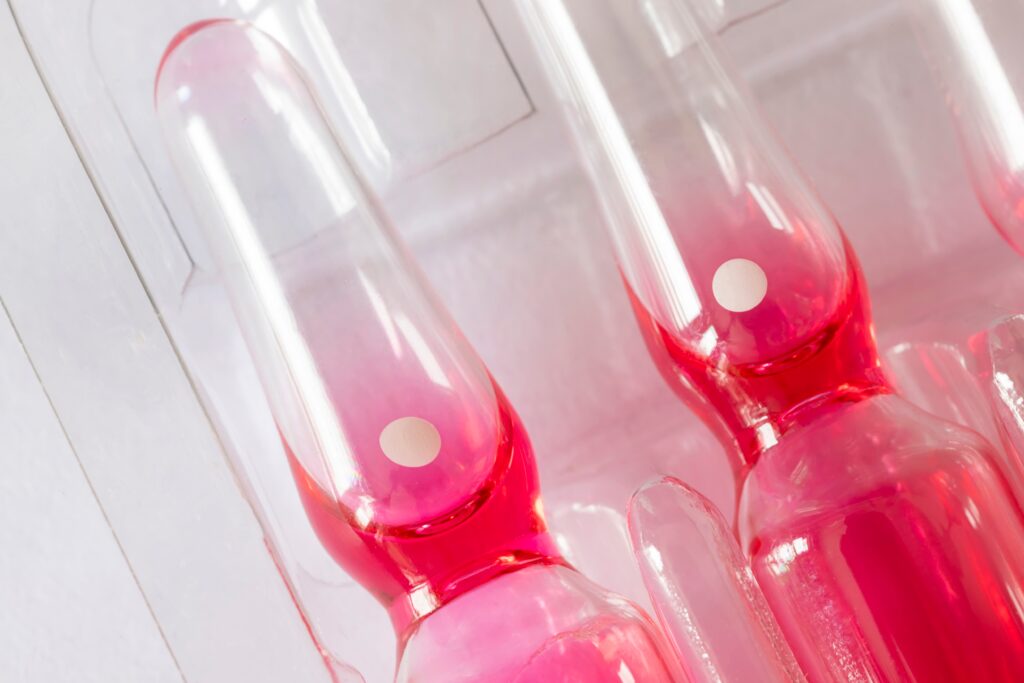
Vitamin injections have become a common part of wellness routines, and they are easy to misunderstand. They are not a cure-all, and more is not always better. But for the right person — someone with low B12, poor absorption, a demanding schedule, or an upcoming collagen-focused skin treatment — a targeted injection can be a practical, low-downtime way to support how they feel and how their skin heals.
At Victory Med Spa, we focus on two well-studied nutrients: methylcobalamin, the active form of vitamin B12, and ascorbic acid, vitamin C. This guide explains what each does, the six ways our patients from South Lamar, Westlake Hills, and greater Austin most often use them, and how to tell whether an injection makes sense for you. It is educational, not medical advice, and results vary.
Key Takeaways
- Intramuscular injections bypass the digestive tract, so absorption does not depend on gut health or intrinsic factor the way oral supplements do.
- B12 supports energy metabolism, nerve function, and red blood cell production. Benefits are clearest in people with low or suboptimal levels.
- Vitamin C is a required cofactor for collagen synthesis and an antioxidant, which is why it pairs naturally with skin treatments.
- Screening matters. High-dose vitamin C is not appropriate for people with G6PD deficiency, and some kidney conditions require caution.
- Injections support a healthy lifestyle — they do not replace nutrition, sleep, or medical evaluation of persistent fatigue.
How We Think About Vitamin Injections
We start by asking why you are interested. Fatigue, brain fog, and low mood have many possible causes, from sleep and stress to thyroid issues, anemia, or hormone changes, and a vitamin shot should not paper over something that deserves a proper workup. Your provider reviews your health history, medications, and goals, and may check serum B12 if ongoing supplementation is planned.
We also consider who is most likely to benefit. People with reduced B12 absorption — for example, some older adults, people taking metformin or acid-reducing medications long-term, those with certain gut conditions, people who have had weight-loss surgery, and those following a strict plant-based diet — are more likely to have low levels. Vitamin C is most often requested around aesthetic procedures and during periods of stress. Here are the six most common uses, ranked by how often our patients ask about them.
1. B12 for Energy & Fatigue — Best for Low or Suboptimal B12
Vitamin B12 is essential to how your cells turn food into usable energy and to the production of healthy red blood cells. When levels are low, people may feel tired, weak, or short of breath with exertion. Methylcobalamin injections deliver the active form of B12 directly to muscle tissue.
For people with deficiency or suboptimal levels, many report feeling more energetic after treatment, though responses vary and people with normal levels may notice little change. If your fatigue is significant or persistent, we may recommend lab testing first; through our sister practice, comprehensive lab testing is available.
2. B12 for Focus & Mood — Best for Brain Fog Linked to Low B12
B12 is needed to maintain the myelin sheath that insulates nerves and to produce neurotransmitters involved in mood and cognition. Low levels have been associated with brain fog, memory difficulties, numbness or tingling, and low mood.
Correcting a deficiency may help with these symptoms, and some patients without deficiency use B12 as part of a broader wellness routine. Because these symptoms overlap with many other conditions, including hormone changes, we encourage patients to discuss them with a provider rather than relying on injections alone.
3. B12 for Metabolic & Weight-Loss Support — Best Alongside a Supervised Program
B12 injections are frequently included in medical weight-loss and metabolic programs to support cellular energy metabolism. They are not a weight-loss treatment on their own, and they will not burn fat. Instead, they help ensure that a nutrient central to energy production is not a limiting factor while you change how you eat.
This can be especially relevant for patients on GLP-1 medications who are eating significantly less, or anyone following a reduced-calorie diet. Learn about medically supervised weight loss at our sister practice, and about restoring facial volume after GLP-1 weight loss at Victory Med Spa.
4. Vitamin C for Collagen & Skin Treatments — Best Around Aesthetic Procedures
Vitamin C is a required cofactor for the enzymes that build and stabilize collagen. That makes it a logical companion to treatments designed to trigger collagen remodeling, such as microneedling, Scarlet SRF RF microneedling, and laser treatments.
Our providers often suggest scheduling an intramuscular vitamin C injection in the two to three days around a collagen-focused treatment to support the healing response. While research on injected vitamin C specifically for aesthetic outcomes is limited, its role in collagen formation is well established. Your provider will give you scheduling guidance for your treatment plan.
5. Vitamin C for Immune Support — Best During Busy or Stressful Seasons
Vitamin C is an antioxidant that supports several aspects of immune function. Many Austin patients request it during travel, cold and flu season, or particularly demanding stretches at work. Intramuscular delivery achieves higher blood levels than diet alone in the short term.
Studies suggest vitamin C may modestly support immune function and recovery in some people, though it is not a substitute for vaccination, rest, or medical care when you are sick. High-dose vitamin C is not appropriate for everyone, so we screen for G6PD deficiency and kidney concerns before treatment.
6. Combined B12 + Vitamin C Plans — Best for Ongoing Wellness Maintenance
Some patients choose a combined plan — for example, regular B12 for energy support with vitamin C timed around skin treatments or busy seasons. A typical B12 schedule moves from an initial loading phase to monthly maintenance, while vitamin C is often used as needed.
A combined plan is built around your goals and your health history, not a fixed package. Because injections take just a few minutes, many patients add them to an existing appointment for Botox, a facial, or another treatment. Ask about any current offers on our specials page.
Injections, Pills, or Food? Choosing the Right Route
An injection is not automatically better than food or a supplement. B12 is found naturally in animal foods such as fish, meat, eggs, and dairy, and many people with healthy digestion maintain good levels through diet or an oral supplement. Vitamin C is abundant in citrus, berries, peppers, and leafy greens. For these people, an injection may add convenience rather than a clear medical advantage.
Injections make the most sense when absorption is the problem, when levels are already low and need to be restored efficiently, or when timing matters — such as supporting collagen synthesis in the days around an aesthetic procedure. Your provider will help you weigh the options honestly, including whether an injection is worth it for you at all.
Vitamin Injections at a Glance
| Use | Nutrient | Who It May Suit |
|---|---|---|
| Energy & fatigue | B12 (methylcobalamin) | People with low or suboptimal B12 |
| Focus & mood | B12 (methylcobalamin) | Brain fog linked to low B12 |
| Metabolic support | B12 (methylcobalamin) | Patients in a supervised weight-loss program |
| Collagen & skin treatments | Vitamin C (ascorbic acid) | Patients having microneedling, RF, or laser |
| Immune support | Vitamin C (ascorbic acid) | Busy seasons, travel, stress |
| Ongoing maintenance | B12 + vitamin C | Wellness-focused patients with a provider plan |
What to Expect at Your Visit
At your first visit to Victory Med Spa, your provider reviews your health history, current medications, and goals, and screens for contraindications. If ongoing B12 is planned, we may recommend checking your levels. You will leave with a clear schedule rather than an open-ended commitment.
The injection itself takes about five minutes and goes into the deltoid (upper arm) or gluteal (hip) muscle. Most people feel a quick pinch and may have mild soreness for a few hours. There are no restrictions afterward, so you can go straight back to work. Our office at 2108 W Ben White Blvd is a quick stop for patients from South Lamar, Zilker, Westlake Hills, and across greater Austin.
Safety: Side Effects and Who Is Not a Candidate
Vitamin injections are generally well tolerated, but they are still medical treatments and are overseen by licensed providers under physician supervision at Victory Med Spa. Common side effects include brief soreness, redness, or a small bruise at the injection site. Rarely, people may experience allergic reactions; with B12, some notice mild, temporary skin flushing or digestive upset.
High-dose vitamin C is contraindicated in people with G6PD deficiency because it can cause hemolysis, and those with kidney disease or a history of kidney stones should discuss it with their provider first. People with a known allergy to cobalt or cobalamin should not receive B12 injections, and anyone with Leber’s disease, certain blood disorders, or who is pregnant or breastfeeding should be evaluated individually. Persistent fatigue or neurological symptoms deserve a full medical evaluation.
This article is educational only and does not constitute medical advice. A consultation is required to determine whether treatment is right for you, and individual results vary.
Frequently Asked Questions
How often should I get B12 injections?
It depends on why you are getting them. For a diagnosed deficiency, a common approach is an initial loading phase, often weekly for about four weeks, followed by monthly maintenance. For general energy support in people without deficiency, monthly or quarterly injections are typical. Your provider sets a schedule based on your history and, when appropriate, your lab results.
Why get an injection instead of taking a B12 pill?
Oral B12 needs a protein called intrinsic factor and healthy digestion to be absorbed, and some people absorb it poorly because of age, certain medications, gut conditions, or weight-loss surgery. An intramuscular injection bypasses the digestive tract so absorption does not depend on the gut. For many people with normal absorption, diet or oral supplements may be enough, and your provider can help you decide.
Is high-dose vitamin C safe?
For most people, yes, when it is screened and administered by a medical professional. G6PD deficiency is a contraindication for high-dose vitamin C because it can cause hemolysis, and people with certain kidney conditions or a history of kidney stones should discuss it with their provider first. We screen for these before treatment.
Do vitamin injections hurt, and is there downtime?
A vitamin injection is a quick intramuscular shot, usually into the upper arm or hip, and takes about five minutes. Most people feel a brief pinch and may have mild soreness at the site for a few hours. There is no downtime.
Where can I get vitamin injections near South Lamar or Westlake?
Victory Med Spa offers B12 and vitamin C injections at 2108 W Ben White Blvd, Austin, TX 78704, convenient to South Lamar, Westlake Hills, and greater Austin. Book online or call (512) 969-6900.
Want to see whether a B12 or vitamin C injection fits your routine? Book a visit at Victory Med Spa, 2108 W Ben White Blvd, Austin, TX 78704, or call (512) 969-6900. We serve patients from South Lamar, Westlake, and all of greater Austin.
Please note: This article is educational and is not medical advice. Every treatment at Victory Med Spa starts with a consultation with a licensed provider.
Treatments in this article
Ready to talk
it through?
Consultations are free. Bring your questions and we’ll bring a plan.