Aesthetic Medicine
GLP-1 Face: The 7 Best Treatments to Restore Facial Volume After Weight Loss
November 5, 202612 min read
The best treatments for GLP-1 face — the hollow, deflated look that can follow weight loss on medications like semaglutide or tirzepatide — are Sculptra, hyaluronic acid fillers, RF microneedling, PRP, targeted RF for the lower face, medical-grade skincare, and a well-paced, protein-supported weight-loss plan, combined in a personalized program at Victory Med Spa.
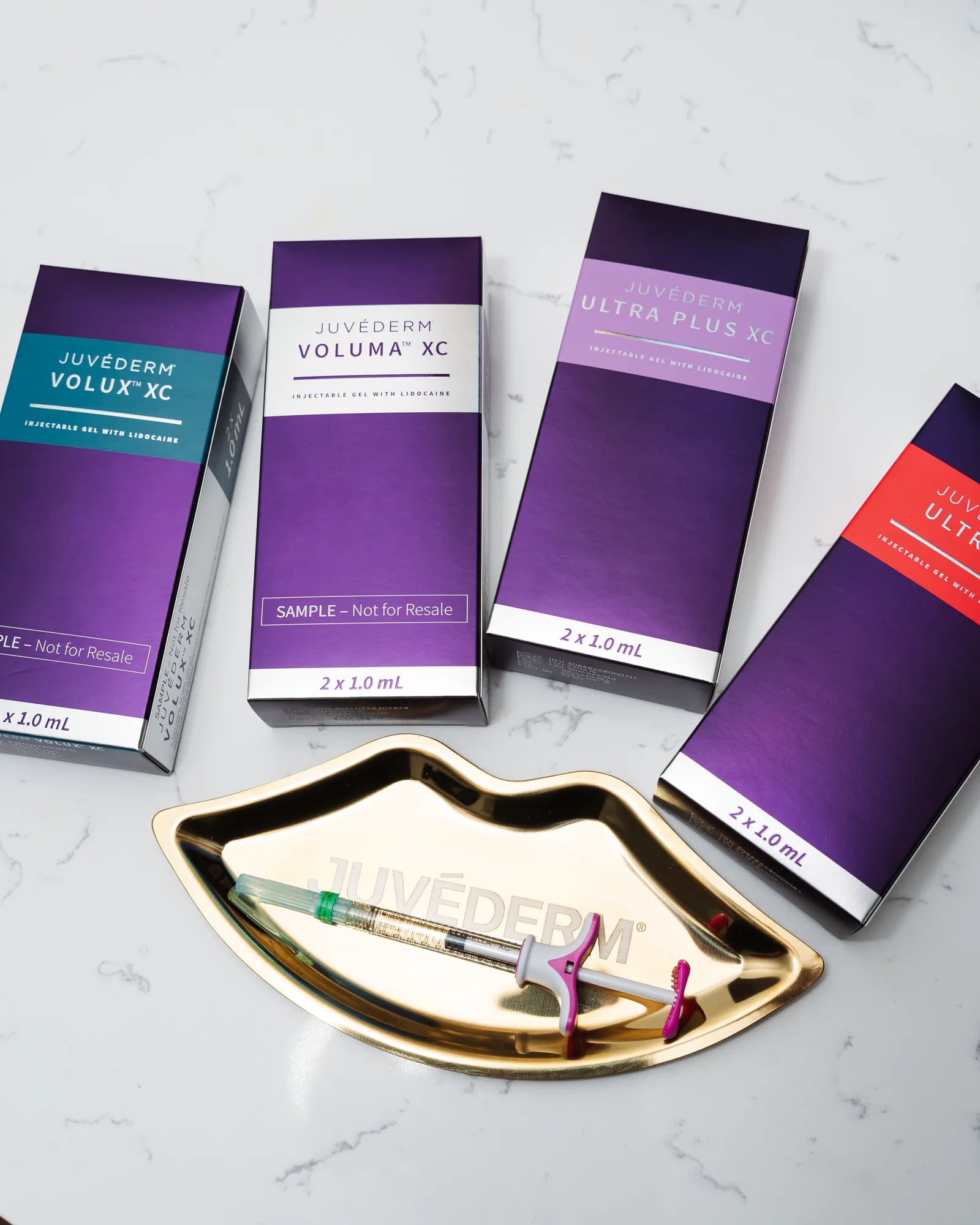
GLP-1 medications have helped a great many people lose weight that they had struggled with for years. But faces lose fat too, and sometimes faster than people expect. The fat pads in the cheeks and temples provide much of the youthful structure of the face; when they shrink, skin that has also been losing collagen with age can look loose, the cheeks can flatten, and the jawline can soften. The popular name is “Ozempic face,” and it is one of the most common concerns we hear from patients in Austin.
The good news is that this kind of volume loss is very treatable. At Victory Med Spa on Victory Drive, our licensed providers work with patients from South Lamar, Westlake Hills, and greater Austin to restore what weight loss took away — without changing who they are. This guide covers the seven tools we rely on most, ranked by how often they form the core of a plan. Visit our dedicated GLP-1 facial restoration page for program details. This article is educational, not medical advice, and results vary.
Key Takeaways
- GLP-1 face is about lost structure, not damaged skin. Restoring support in the right places matters more than filling every line.
- Sculptra and HA fillers are the foundation for most patients: filler for immediate shape, Sculptra for gradual collagen support.
- Skin quality is the second pillar. RF microneedling, PRP, and medical-grade skincare help skin look firmer and healthier.
- Timing matters. Treating once your weight is relatively stable generally gives the most predictable results.
- How you lose weight matters too. Adequate protein, strength training, and a supervised pace may help protect lean tissue. See medical weight loss at Victory Rejuvenate.
How We Think About Restoring Facial Volume
We approach GLP-1 face in three layers. The first is structure: where has volume been lost, and what was holding the face up? Often it is the cheeks, temples, and areas along the jaw and chin. The second is skin quality: how much collagen and elasticity remain, and can we encourage the skin to firm up around its new contours? The third is the weight-loss journey itself: where you are in it, how quickly you are losing, and whether nutrition and muscle are being protected.
Your provider evaluates all three before recommending anything, and the plan is usually staged over several months. Our goal is not to make you look different — it is to help your face match how you feel after reaching your health goals. Here are the seven treatments that most often make up that plan.
1. Sculptra — Best for Gradual, Whole-Face Collagen Restoration
Sculptra is injectable poly-L-lactic acid, a biostimulator that prompts your skin to build its own collagen. It is particularly well-suited to the broad, diffuse volume loss that follows significant weight loss, because it can be spread across the temples, cheeks, and lower face to rebuild thickness and support rather than adding a single point of volume.
Results develop gradually over a series of sessions, typically two to three spaced several weeks apart, and can last two years or more because the collagen is your own. Sculptra is not reversible the way HA filler is, so it is placed conservatively and built in stages. It should not be used by anyone with a history of keloids or hypertrophic scarring. Read more in our Sculptra and facial balancing guide.
2. Hyaluronic Acid Fillers — Best for Immediate Shape and Definition
While Sculptra works slowly, hyaluronic acid dermal fillers deliver visible change the same day. After weight loss, we most often use HA filler to restore the cheekbone and midface, define the chin and jawline, and fill hollowed temples. Restoring these key support points can lift the lower face and soften folds around the mouth.
Filler results typically last 12 to 18 months depending on product and area, and HA filler can be dissolved with hyaluronidase if needed. Many of our GLP-1 patients start with filler for immediate improvement and add Sculptra to build long-term support underneath. See our guide to the best dermal filler treatments for more on each area.
3. RF Microneedling (Scarlet SRF) — Best for Firming Loose Skin
Volume replacement addresses what is missing beneath the skin; RF microneedling addresses the skin itself. Scarlet SRF combines fine microneedles with radiofrequency energy delivered beneath the surface, which is designed to trigger a collagen-remodeling response for tighter, smoother, firmer-looking skin.
For patients whose skin feels thinner or looser after weight loss, a series of RF microneedling sessions can complement injectables, and the two are often staged a few weeks apart. Downtime is usually modest, with redness for a day or two. Learn more in our Scarlet SRF device guide.
4. PRP — Best for Regenerative Skin Support
Platelet-rich plasma uses a concentrate of your own platelets and growth factors, prepared from a small blood draw. Applied with microneedling or injected in targeted areas, PRP is studied for its potential to support skin texture, tone, and healing — a regenerative boost that some patients prefer because nothing foreign is added.
PRP is a supporting player rather than a volume solution, and research on its aesthetic uses is still developing, so we set expectations carefully. It is often paired with microneedling to improve overall skin quality alongside a filler and Sculptra plan. NSAIDs and aspirin should be avoided for about a week beforehand, as your provider will explain.
5. Agnes RF — Best for Targeted Lower-Face Definition
Some patients find that after weight loss, small pockets of fullness or laxity remain under the chin or along the jaw even as the cheeks hollow. Agnes RF uses insulated microneedles to deliver radiofrequency energy precisely to target tissue, and it is used to refine small areas such as the jowl and under-chin.
Agnes is a precision tool rather than a full-face treatment, so it is best for specific, localized concerns. Your provider will assess whether the issue is fat, skin laxity, or volume loss, because each calls for a different approach. Compare it with Scarlet in our best med spa treatments guide.
6. Medical-Grade Skincare & Facials — Best for Skin Health and Glow
Skin that has changed with weight loss benefits from consistent, professional care. Medical-grade facials and hydrating treatments such as AquaFirme cleanse, exfoliate, and hydrate, helping skin look healthier and more radiant between injectable appointments. A daily routine built around sunscreen, a retinoid if appropriate, and antioxidants supports the collagen-building work of your in-office treatments.
These treatments will not replace lost volume, but they make a visible difference in texture and glow, and they keep the skin in good condition for procedures like RF microneedling. Some patients also schedule vitamin C injections around collagen-focused treatments, since vitamin C is a cofactor for collagen synthesis.
7. A Well-Paced, Protein-Supported Weight-Loss Plan — Best for Prevention
The most underrated part of addressing GLP-1 face happens outside the treatment room. Very rapid weight loss, low protein intake, and loss of muscle may all contribute to a more depleted appearance. Working with a medical team on your pace of loss, protein targets, hydration, and resistance training may help protect lean tissue and skin as you lose weight.
Our sister practice offers medically supervised weight loss, and some patients also ask about peptide therapy as part of a broader plan; any such decision is made by a licensed provider after evaluation. Coordinating your weight-loss and aesthetic care under one roof makes it easier to time facial treatments well.
The 7 Best GLP-1 Face Treatments at a Glance
| Treatment | Best For | Timeline |
|---|---|---|
| Sculptra | Whole-face collagen restoration | Gradual over 2–3 sessions; can last 2+ years |
| HA fillers | Immediate shape and definition | Immediate; typically 12–18 months |
| RF microneedling (Scarlet SRF) | Firming loose skin | Builds over a series |
| PRP | Regenerative skin support | Builds over a series |
| Agnes RF | Targeted jowl and under-chin refinement | Varies by area |
| Skincare & facials | Skin health and glow | Ongoing maintenance |
| Supervised weight-loss plan | Prevention and lean-tissue support | Throughout your journey |
What to Expect at Your Visit
Your GLP-1 facial restoration journey at Victory Med Spa starts with a consultation. Your provider asks about your weight-loss history, current medication and dose, how much more you plan to lose, and what you notice when you look in the mirror. We review your medical history, perform the Good Faith Exam required in Texas, and assess your facial anatomy in detail.
From there we build a staged plan. A common pattern is HA filler for immediate definition, with a first Sculptra session at the same or a nearby visit, followed by additional Sculptra sessions several weeks apart and an optional filler touch-up. Skin treatments such as RF microneedling are layered in on their own schedule. You will know the number of sessions and pricing up front. Our office at 2108 W Ben White Blvd is an easy drive from South Lamar, Westlake Hills, and across Austin.
Safety: Side Effects and Who Is Not a Candidate
Sculptra and FDA-approved HA fillers have long safety records when administered by trained medical professionals, and every treatment at Victory Med Spa is performed by licensed providers under physician supervision. The most common side effects of injectables include swelling, tenderness, redness, pain, bruising, itching, and, with Sculptra, small lumps or nodules. Rare but serious filler risks include vascular occlusion and infection. RF microneedling and PRP can cause temporary redness, swelling, and, rarely, pigment changes or infection.
Injectables should not be used by people with severe allergies, bleeding disorders, active skin infection at the treatment site, or who are pregnant or breastfeeding. Sculptra should not be used by people allergic to any of its ingredients or with a history of keloids or hypertrophic scarring. If you are still losing weight quickly, have had recent changes to your GLP-1 dose, or have nutritional concerns, your provider may recommend waiting or coordinating with your prescribing clinician first.
This article is educational only and does not constitute medical advice. Victory Med Spa is an independent practice and is not affiliated with or endorsed by any manufacturer. A consultation is required to determine whether treatment is right for you, and individual results vary.
Frequently Asked Questions
What is GLP-1 face or “Ozempic face”?
It is an informal name for the hollow, deflated, or older-looking appearance some people notice after significant weight loss, including weight lost with GLP-1 medications such as semaglutide or tirzepatide. Losing the fat that supports facial structure, combined with natural collagen loss, can leave the cheeks, temples, and jawline looking hollow or loose. It is a cosmetic effect of weight loss, not a direct side effect on the skin.
Should I wait until I reach my goal weight to treat my face?
Many providers suggest waiting until your weight is relatively stable, because continued loss can change the result. That said, skin-quality treatments and a first Sculptra session can sometimes begin earlier. Your provider will help you time treatment around your weight-loss plan.
How do Sculptra and dermal fillers work together?
Hyaluronic acid fillers restore volume and definition immediately, while Sculptra stimulates your own collagen gradually across a series of sessions. Used together, they can offer visible improvement right away plus longer-term support. Filler results typically last 12 to 18 months depending on product and area, and Sculptra results can last two years or more.
Is facial restoration after weight loss safe?
Sculptra and FDA-approved hyaluronic acid fillers have long safety records when administered by trained medical professionals. Common side effects include swelling, redness, bruising, and tenderness at the injection site. Rare risks such as vascular occlusion are why treatment at Victory Med Spa is performed by licensed providers under physician supervision after a health review.
Where can I get GLP-1 facial restoration in Austin?
Victory Med Spa at 2108 W Ben White Blvd, Austin, TX 78704 offers GLP-1 facial restoration for patients from South Lamar, Westlake Hills, and greater Austin. Book a consultation online or call (512) 969-6900.
If weight loss has left your face looking more tired than you feel, we can help you explore your options. Book a GLP-1 facial restoration consultation at Victory Med Spa, 2108 W Ben White Blvd, Austin, TX 78704, or call (512) 969-6900. We welcome patients from South Lamar, Westlake, and greater Austin.
Please note: This article is educational and is not medical advice. Every treatment at Victory Med Spa starts with a consultation with a licensed provider.
Treatments in this article
Ready to talk
it through?
Consultations are free. Bring your questions and we’ll bring a plan.