Aesthetic Medicine
PRP in Austin: The 6 Best Uses for Platelet-Rich Plasma in Aesthetics
November 5, 202610 min read
The six best uses for PRP in aesthetics are the vampire facial (PRP with microneedling), hair restoration for pattern hair loss, under-eye rejuvenation, crepey skin on the neck and décolletage, faster recovery after RF microneedling or laser, and overall skin quality and elasticity. At Victory Med Spa in Austin, PRP is prepared from your own blood and administered by licensed providers under strict sterile protocols and physician supervision.
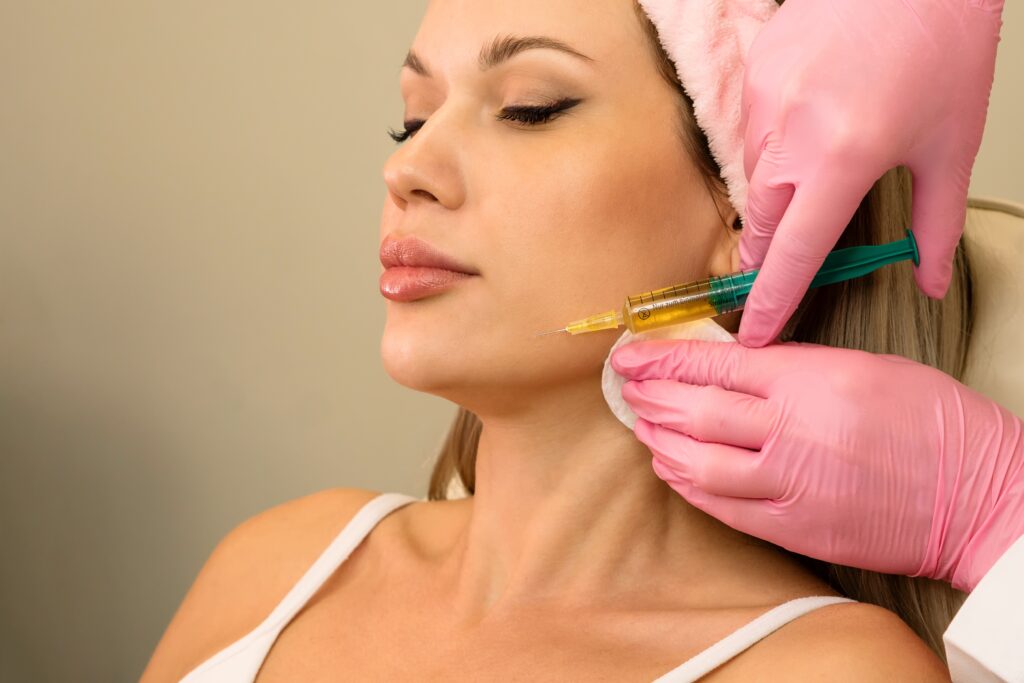
Platelet-rich plasma is one of the most natural tools in aesthetic medicine. Rather than adding a foreign substance, PRP concentrates something your body already makes. A small blood sample is spun in a centrifuge to separate and concentrate the platelet-rich portion, which contains growth factors including PDGF, VEGF, TGF-beta, and EGF. When that concentrate is applied after microneedling or injected into target areas, it is designed to amplify the body’s natural repair response.
Because PRP is autologous, meaning it comes from you, the risk of allergic reaction or rejection is negligible. That appeals to many patients who prefer a regenerative approach. Patients travel to our studio on Victory Drive from South Lamar, Westlake Hills, and across greater Austin for PRP on its own and as an enhancement to other treatments.
This guide ranks the six aesthetic uses where PRP tends to be most valuable. It is educational and not medical advice. Results depend on your concern, your individual platelet quality, and other factors, so they vary from person to person.
Key Takeaways
- PRP uses your own concentrated platelets and growth factors, so there is no foreign substance involved.
- Its most popular use is the vampire facial, where PRP is applied immediately after microneedling.
- Clinical evidence supports PRP for androgenetic (pattern) hair loss, though results vary with the degree of loss.
- Expect mild redness, swelling, or bruising for about 24 to 72 hours; full results develop over four to eight weeks.
- Avoid NSAIDs and aspirin for about a week before and after treatment, since they can reduce platelet function.
- Screening matters: blood and platelet disorders and anticoagulant medications may rule PRP out.
How We Decide Whether PRP Is Right for You
PRP is powerful in the right situation, but it is not a universal answer. During your consultation at Victory Med Spa, our team discusses your goals and whether PRP is appropriate for your specific concern. We review any blood disorders, platelet disorders, and medications, including anticoagulants and certain NSAIDs, that could affect safety or results. We also consider whether PRP should stand alone or enhance another treatment, such as microneedling or Scarlet RF, and whether another option, like dermal fillers, would better match your goal.
Here are the six uses where we find PRP delivers the most value.
1. The Vampire Facial (PRP + Microneedling) — Best for Overall Skin Rejuvenation
The vampire facial is the most popular way to use PRP in aesthetics. Microneedling creates thousands of tiny channels in the skin, and PRP is applied immediately afterward so concentrated growth factors can reach deeper into those fresh channels. The combination is designed to enhance collagen stimulation beyond microneedling alone.
Patients choose this treatment for texture, fine lines, mild scarring, and a healthier overall glow. PRP is added at each microneedling session in a series, typically three to six sessions spaced four to six weeks apart. To understand the microneedling side, read our guide to the biggest benefits of microneedling.
2. Hair Restoration — Best for Androgenetic (Pattern) Hair Loss
PRP injected into the scalp at the level of the hair follicles is designed to stimulate dormant follicles and improve hair density. Clinical evidence supports PRP as an effective option for androgenetic hair loss in many patients, with improvements in density and follicle health reported in the literature.
Hair restoration typically involves a series of three to four monthly sessions followed by maintenance about every three months. Results vary with the degree of loss and individual response, and PRP tends to work best when follicles are still present. Hair loss can have medical causes, so an evaluation of underlying factors may be recommended.
3. Under-Eye Rejuvenation — Best for Thin, Shadowed Skin
The under-eye area is delicate, and many patients struggle with thin skin, mild hollowness, and dark discoloration in the tear trough. PRP injected into the periorbital area is designed to improve skin quality, volume, and the appearance of discoloration over time.
PRP is a gradual, regenerative option rather than an instant filler. For more significant hollowness, dermal fillers may be appropriate, and for puffy bags caused by protruding fat pads, Agnes RF may be a better fit. Our guide to the best Agnes RF treatment areas explains that distinction.
4. Crepey Skin on the Neck & Décolletage — Best for Thin, Textured Skin
The skin on the neck and chest is thinner than facial skin and often shows sun damage and crepiness that topical products struggle to fix. PRP, used with microneedling or injected, is designed to improve the texture and quality of this resistant skin.
Austin’s sunshine means many of us accumulate sun damage on the chest over the years. For pigment and redness in these areas, PRP may be combined with light-based treatments; see our BBL Hero laser guide. For laxity, Scarlet RF may be discussed.
5. Faster Recovery After RF Microneedling or Laser — Best as a Healing Enhancement
PRP is not only a stand-alone treatment; it can also be a recovery tool. Applied after RF microneedling, laser treatments, or other procedures, PRP is designed to accelerate healing and may help reduce downtime by delivering concentrated growth factors to treated tissue.
Many patients add PRP to a Scarlet RF session to support recovery and enhance remodeling. Our guide to the concerns Scarlet RF treats best explains where this combination fits, and your provider can advise whether PRP makes sense for your laser or RF plan.
6. Skin Quality & Elasticity — Best for Natural, Gradual Improvement
Beyond specific concerns, PRP’s growth factors are associated with improvements in elasticity, volume, and overall skin quality. Patients who prefer a subtle, natural-looking refresh using their own biology often choose PRP as part of a regenerative skin plan.
Results are gradual and tend to develop over four to eight weeks. PRP pairs well with a consistent skincare routine, sun protection, and regenerative home care such as copper peptides; see our GHK-Cu copper peptide skin guide.
The 6 Best Uses for PRP at a Glance
| Use | How PRP Is Delivered | Typical Plan |
|---|---|---|
| Vampire facial | Applied after microneedling | Added at each session of a series |
| Hair restoration | Injected into the scalp | 3–4 monthly sessions, then quarterly maintenance |
| Under-eye rejuvenation | Injected into the periorbital area | Determined at consultation |
| Neck & décolletage | Microneedling or injection | Determined at consultation |
| Post-procedure recovery | Applied after RF or laser | Added to procedure sessions |
| Skin quality & elasticity | Microneedling or injection | Results over 4–8 weeks |
PRP vs Fillers and Other Options: Setting Realistic Expectations
One of the most common questions we hear is whether PRP can replace dermal fillers. The short answer is that they do different jobs. Dermal fillers add volume immediately and are designed to restore structure in specific areas, such as the cheeks, lips, or tear troughs. PRP does not add volume in the same way; instead, it is designed to support your skin’s own repair and collagen processes, so improvements are gradual and typically more subtle.
That makes PRP a good match for patients who want a natural-looking refresh, who prefer to use only their own biology, or who want to enhance another treatment. It is a less suitable match for patients who want a dramatic, immediate change. Results also depend on individual factors, including age, overall health, and platelet quality, which is why no provider can promise a specific outcome. During your consultation, our team will explain where PRP fits, where another option might be stronger, and how the two can sometimes work together in one plan.
What to Expect at Your PRP Visit
Your PRP journey starts with a consultation to confirm that PRP suits your concern and to review your medical history and medications. You will typically be asked to avoid NSAIDs such as ibuprofen, as well as aspirin and blood thinners where medically appropriate, for about one week before and after treatment, since they can reduce platelet function. Never stop a prescribed medication without talking to the prescribing doctor.
On treatment day, a small blood draw of one to two vials is taken and centrifuged for about ten minutes to concentrate the platelets. Local anesthesia or numbing is applied while the sample is processed. The concentrated PRP is then injected or worked into the skin, and the full appointment typically takes 45 to 60 minutes.
Afterward, mild redness, swelling, and bruising at treatment sites are common for 24 to 72 hours. Full results develop over four to eight weeks, and most plans involve a series of sessions.
Safety, Side Effects & Who Is Not a Candidate
Because PRP comes from your own blood, the risk of allergic reaction or rejection is negligible. The main risks are bruising, swelling, tenderness, and, rarely, infection, which is minimized with strict sterile technique. PRP involves a blood draw and should only be performed by a licensed healthcare provider. Some patients feel lightheaded during a blood draw, so let your provider know if this has happened before.
You may not be a candidate for PRP, or may need further evaluation, if you:
- Have a platelet disorder, bleeding disorder, or other blood disorder
- Take anticoagulant medications that cannot be safely paused
- Have an active infection, especially in the treatment area
- Have certain cancers or are undergoing cancer treatment (discuss with your provider)
- Are pregnant or breastfeeding
- Have a low platelet count or other conditions identified at consultation
A full medical history review occurs before any PRP treatment. This article is educational and does not constitute medical advice. Individual results vary.
Frequently Asked Questions
Is there any risk of reaction or rejection with PRP?
The risk is negligible, because PRP is derived entirely from your own blood. The main risks are minor bruising, swelling, and tenderness at treatment sites, and rarely infection, which is prevented with strict sterile technique.
How many PRP sessions will I need?
For hair restoration, a series of three to four monthly sessions followed by quarterly maintenance is common. For skin rejuvenation paired with microneedling, PRP is usually added at each microneedling session. Your provider will tailor the plan to your goal.
Does PRP actually work for hair loss?
Clinical evidence supports PRP as an effective option for androgenetic (pattern) hair loss, with many patients seeing improvement in hair density and follicle health. Results vary based on the degree of loss and individual platelet quality.
Can I take aspirin or ibuprofen before PRP?
NSAIDs and aspirin can inhibit platelet function, so they are generally avoided for about one week before and after PRP. If you take aspirin or another blood thinner for a medical reason, do not stop it without first talking to your prescribing doctor.
How long does it take to see PRP results?
PRP works gradually by supporting your body’s natural repair processes. Most patients see results develop over four to eight weeks, with hair restoration typically taking longer and requiring a series of treatments.
Ready to put your own biology to work? Victory Med Spa welcomes patients from South Lamar, Westlake, and all of greater Austin to 2108 W Ben White Blvd, Austin, TX 78704. Book your PRP consultation, contact our team, or call (512) 969-6900.
Please note: This article is educational and is not medical advice. Every treatment at Victory Med Spa starts with a consultation with a licensed provider.
Treatments in this article
Ready to talk
it through?
Consultations are free. Bring your questions and we’ll bring a plan.