Neurotoxin injections remain the most requested aesthetic treatment in the country — and the most misunderstood. Patients often arrive asking for "Botox" the way they'd ask for a Kleenex, without realizing there are meaningful differences between the two leading neuromodulators, Botox® and Dysport®, and that the injector's technique matters far more than the brand on the vial. At Victory Med Spa in Austin, our injectables program is led by experienced medical professionals — including Rachel Hall, RN, an aesthetic injector with more than 20 years in medical aesthetics — and every treatment starts with facial anatomy, not a syringe.
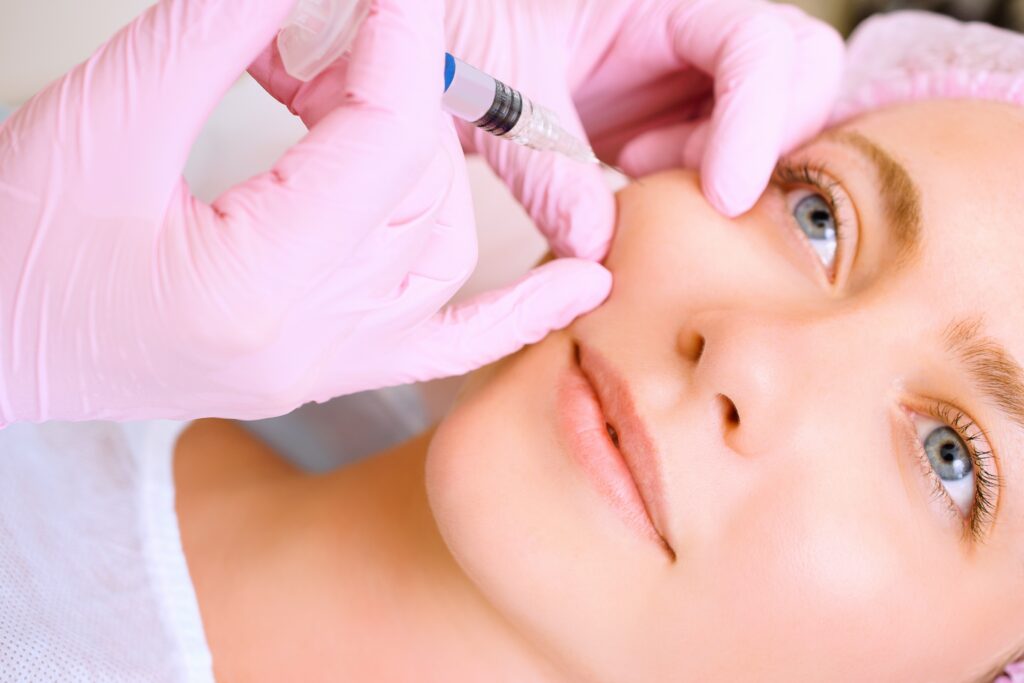
How Neuromodulators Actually Work
Both Botox and Dysport are purified forms of botulinum toxin type A. Injected in small, precise doses, they temporarily block the nerve signal that tells a muscle to contract. When the muscles that drive repetitive expressions — frowning, squinting, raising the brows — relax, the skin above them stops creasing, and existing dynamic wrinkles soften. The effect is temporary, gradual, and, in skilled hands, entirely natural-looking.
Botox vs. Dysport: The Real Differences
Onset of results
Dysport tends to show initial results slightly sooner — often within 2 to 3 days — while Botox typically becomes visible around days 3 to 7. Full results for both settle in over about two weeks.
Diffusion and spread
Dysport diffuses a bit more readily from the injection point, which can be an advantage in larger treatment areas like the forehead, where a soft, even effect is the goal. Botox's tighter spread suits smaller, precision areas such as around the eyes or lips. This is exactly the kind of decision an experienced injector makes for you at the consultation.
Units are not interchangeable
Dysport and Botox are dosed on different unit scales — roughly three Dysport units correspond to one Botox unit. A "cheaper per unit" price on Dysport is not automatically a better deal; what matters is the total dose required for your anatomy and goals.
Duration
For most patients, results from either product last around three to four months. Consistent maintenance treatments can help results last longer over time, as treated muscles gradually weaken their wrinkle-forming habit.
The Victory Approach: Anatomy First, Never Overdone
Our philosophy is simple: balanced, refreshed, never frozen. That means mapping your facial anatomy, respecting the muscles you need for natural expression, and dosing conservatively — you can always add, but you can't subtract. It also means honest guidance: if a line is etched into the skin at rest, a neurotoxin alone may not erase it, and your injector will tell you so and discuss options like dermal fillers or RF microneedling instead of overselling units.
Aftercare — and the Peptide Advantage
Neurotoxin appointments take about 15 to 30 minutes with essentially no downtime — most patients return straight to their day. We advise avoiding strenuous exercise, lying flat, or massaging the treated area for the first several hours. Where appropriate, Victory Med Spa also integrates regenerative GHK-Cu copper peptide protocols from our sister practice, Victory Rejuvenate, to support skin quality and collagen health alongside your injectable results — a clinical pairing most med spas don't offer.
Frequently Asked Questions
Will I look frozen?
Not with conservative, anatomy-led dosing. The "frozen" look comes from over-treatment or poor placement — the opposite of a natural-results philosophy. Our goal is that you look rested, not different.
Which is better for me, Botox or Dysport?
It depends on the treatment area, your muscle strength, your history with either product, and your goals. That's a consultation conversation — and at Victory Med Spa, consultations are complimentary.
How much does treatment cost?
Pricing depends on the total dose your plan requires, which we finalize at your consultation before anything is scheduled. Seasonal specials run throughout the year, and financing is available through Alphaeon Credit.
Who performs injections at Victory Med Spa?
Only licensed medical professionals — experienced RN and APRN injectors working under physician supervision, inside a 30-year Austin medical practice.
Clinical Note: This content is for educational purposes only and does not constitute medical advice. Hormone and peptide therapies should always be managed by a qualified healthcare provider following a comprehensive evaluation.